An IP stresser is a service that carries out a cardiovascular test to evaluate the durability of a network or web server by resembling a DDoS assault. When used for genuine functions, IP stress factors assist IT teams determine just how well a system can handle the additional tons or anxiety of an attack. Because IP stresser services in of themselves are not prohibited, cybercriminals often disguise their DDoS booter services as IP stresser services offered online.
Just how do DDoS booters function?
Providing bogus use an IP stresser, DDoS booters are DDoS-for-hire solutions that can be leased on the dark web by people with little to no experience in releasing cyberattacks. Contrasted to the cost of establishing a botnet with thousands or millions of malware-infected devices, renting a DDoS booter is extremely affordable. Providers may cost less than $25 a month, generally payable through PayPal, or cryptocurrencies, and some stress factor websites allow a trial which offers the customer accessibility to a restricted feature of strike dimension, duration, and vectors chosen. Booter sites might package their solutions as subscriptions that include tutorials and user assistance. For this reason, DDoS booters are preferred with cybercriminals in training, referred to as script kids or skiddies, that are starting to explore how cybercrime works.Join Us free stresser website DDoS booters are additionally made use of by seasoned hackers who make use of DDoS assaults as a cover or entrance point for introducing a lot more devastating assaults developed to gain access to a network to swipe data or money.
What is a DDoS booter vs. a botnet?
Botnets are a collection of malware-infected or manipulated tools that can be utilized to accomplish DDoS strikes or other sorts of cyberthreats. DDoS booters supply DDoS strikes as an on-demand solution, utilizing either a botnet or an assailant’s own collection of a lot more powerful servers.
What types of attacks do DDoS booters perform?
Cyberpunks may rent out booters to carry out a wide range of DDoS strikes.
- Volumetric attacks. These attacks purpose to flooding a target with high volumes of website traffic to consume its readily available bandwidth, stressful resources and making the network or website unavailable.
- TCP out-of-state, also known as state-exhaustion, strikes. These assaults overwhelm a target’s resources by making use of the stateful nature of TCP (Transmission Control Method) to tire offered connections and take in system or network sources.
- Application-layer strikes. These consist of Slowloris attacks and various other HTTP floodings that tire a server or API resources. DNS pseudo-random subdomain (PRSD) attacks are a kind of application attacks, but focus on the DNS procedure (vs. HTTP protocols, which are a lot more standard application attacks).
- Fragmentation assaults. These strikes send out fragmented IP packets that have to be reconstructed, consuming a large amount of the target’s resources and exhausting its ability to handle extra demands.
- DNS reflection or amplification attacks. These attacks intensify an assaulter’s initiatives by manipulating susceptabilities in DNS web servers. Attackers send requests to DNS servers that motivate reactions containing large amounts of details to overwhelm a targeted IP address.
- IoT-based assaults. Attackers may compromise vulnerabilities in Net of Points (IoT) gadgets to create botnets for launching DDoS strikes that can produce substantial amounts of web traffic.
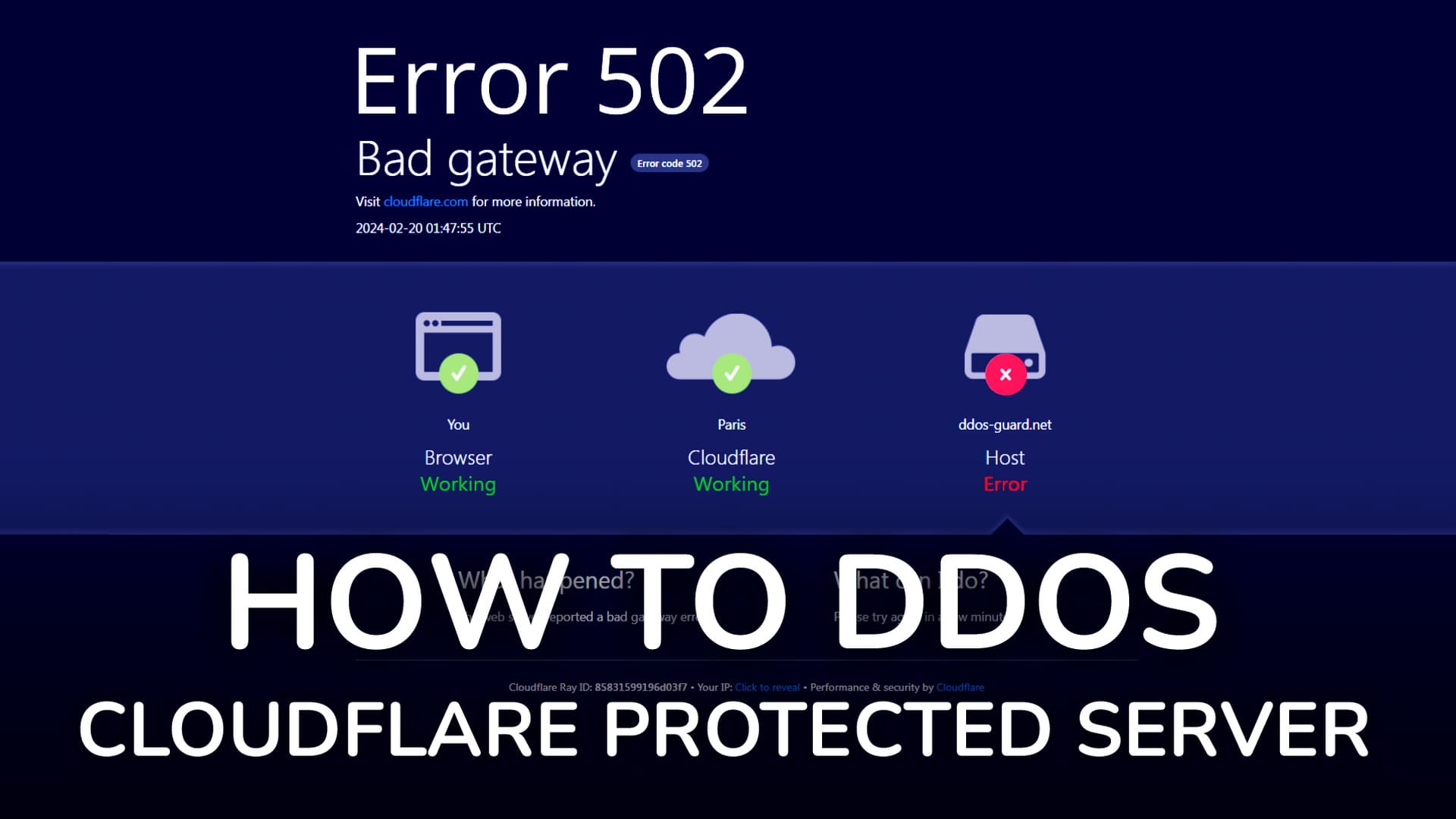
Are DDoS booters prohibited?
Giving or renting out DDoS booters is unlawful. Law enforcement, consisting of the U.S. Division of Justice (DOJ) and global law enforcement agencies, are actively working to take down booter websites and arrest the people who provide and utilize them (Operation PowerOFF, for instance).
What’s the best defense versus a DDoS booter?
Organizations can defend against DDoS booter solutions with the very same multilayered cybersecurity procedures they make use of to mitigate DDoS strikes. Best techniques for DDoS security include:
- Use a DDoS mitigation solution. A dependable DDoS mitigation supplier can assist to discover and remove harmful web traffic during a DDoS attack, avoiding traffic from getting to web servers while ensuring reputable individuals can still get to a network or site. Cloud DDoS scrubbing services are a method frequently released.
- Screen traffic for anomalies. Tracking tools that detect and examine traffic patterns can help to determine what regular traffic looks like and spot unusual website traffic that might be part of a DDoS attack.
- Release price restricting. Rate-limiting tools reduce the effect of a DDoS assault by limiting the variety of requests from a solitary IP address or blocking traffic from IP addresses that are known to be harmful.
- Boost capability. Scaling up bandwidth, adding load-balancing capacities, and boosting redundant systems can help to take in the unexpected spike of web traffic throughout a DDoS strike.
- Utilize a web content shipment network (CDN). CDNs assist distribute traffic geographically across several servers and information centers, offering additional network capability that can absorb and minimize DDoS attacks.
- Release firewalls and IPS. Firewalls and invasion avoidance systems (IPS) that are upgraded with the most up to date hazard knowledge can filter out destructive web traffic and block dubious IP addresses.